
Saved to Drive
You watch a child run full speed into the wind, arms flapping like wings, no destination in sight—just movement for the sheer joy of it. You smile. Maybe you remember when you used to do that. Then, you glance at your phone, shift your weight, and check the time. Because life, right?

Via Pexels
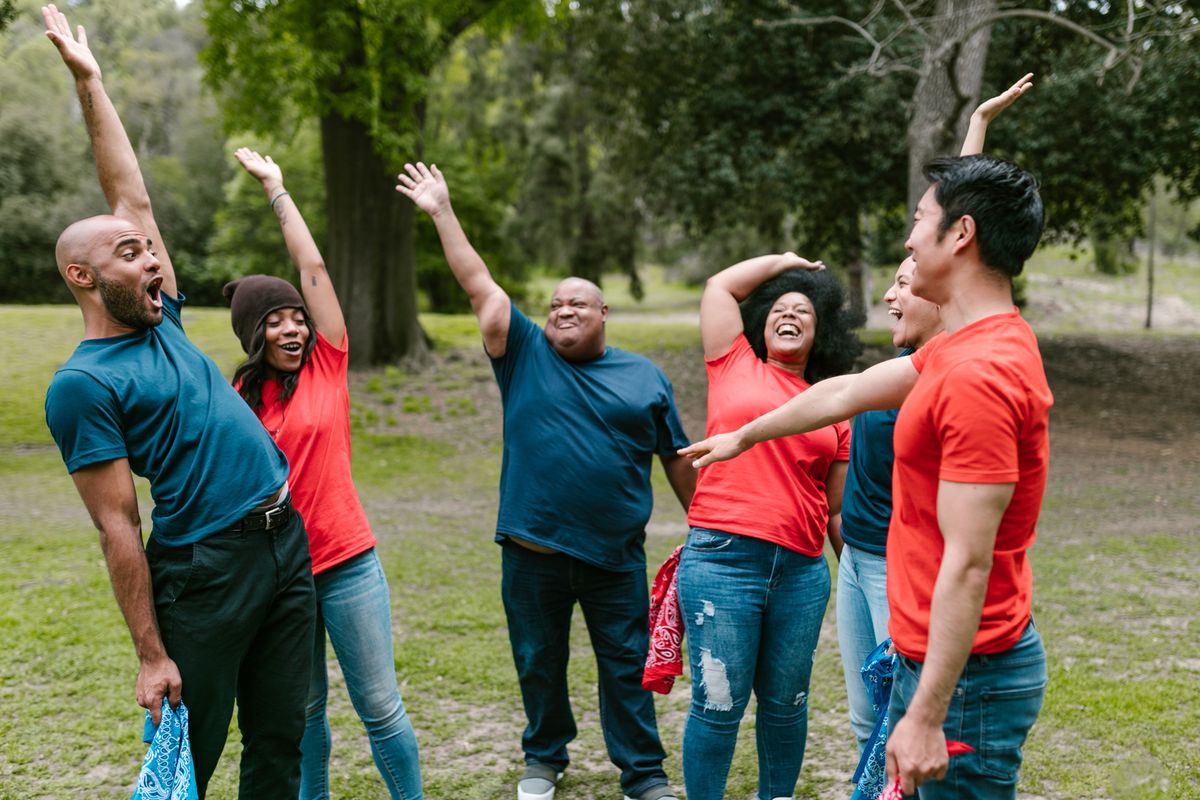
But what if that kind of freedom wasn’t just a childhood phase? What if we’ve been wrong—wildly wrong—about who gets to play and when?
Here’s a radical thought: play isn’t something you grow out of. It’s something you grow into if you let it.
We Were Born to Play
Let’s strip away the buzzwords for a second. Forget “personal development” and “work-life balance.” At our core, we’re just humans trying to make sense of the world—and for most of our early years, we did that through play. We built worlds out of dirt, made dragons from shadows, and turned bath time into an ocean voyage.
And then? We learned shame. We learned to fear looking foolish. To sit still. To grow up. But our brains? Our hearts? They never stopped craving play. That part of you didn’t die—it just got quieter.
Adulting Is Overrated Without Play
There’s this silent agreement in society: once you’ve got a mortgage, you’ve forfeited your right to silliness. Bills come first. Play is an afterthought if that. But nobody tells you that play might be the only thing keeping the weight of the world from snapping your spine.
It’s no coincidence that so many of us are exhausted, joyless, running on fumes. We’ve mistaken productivity for meaning. We’ve convinced ourselves we’re machines. Spoiler: we’re not.
Sometimes, what your brain really needs isn’t a podcast or a planner. Sometimes, it’s jumping in a puddle with both feet and not apologizing for the splash.
Redefining Play: It’s Not Just Games
The idea of “play” can feel loaded—maybe even cringe—for adults. You hear it and picture plastic toys or forced team-building activities with coworkers you barely tolerate. But play is way bigger than that.
Play might look like doodling in the margins of your notebook during a boring Zoom call. Or learning how to make origami swans and leaving them on café tables for strangers. It could be reenacting movie scenes in the kitchen or trying to break your own record in an online pool game with an old friend. It doesn’t have to be loud. Or clever. Or organized. It just has to delight you.
Why Play Makes You Smarter (Yes, Really)
Brains love novelty. They love patterns, too—but not the kind where every day feels like a photocopy of the last. Play, even when it’s ridiculous, even when it’s messy, sparks neurons that routine can’t touch.
Ever notice how your best ideas don’t show up during meetings but sneak in when you’re walking the dog or dancing while folding laundry? That’s your brain on the play—relaxed, open, inventive.
Do you want sharper thinking? Do you want innovation? Don’t sit at your desk grinding. Get silly. Take the long way home. Hum is a song you don’t know the words to. Smart doesn’t mean serious. Don’t let anyone tell you otherwise.
Emotional Fitness Through Play
Here’s something nobody teaches in school: your emotional health isn’t about being “happy” all the time. It’s about elasticity. It’s about being able to bend without breaking. Play gives you that.
It gives you safe ways to lose, to fumble, to try again. It lets you test limits without stakes. When you joke around, when you mess up while pretending to be a pirate, or balancing a spoon on your nose, your nervous system relaxes. It learns you can fail and still laugh.
That’s emotional strength. Not stoicism. Not silence. Laughter.
Play Deepens Connection
We’re all walking around hungry for connection, but nobody wants to make the first move. We text. We scroll. We wait. But play? Play busts through that awkward wall and says, “Hey, let’s be humans together.”
You don’t have to bear your soul to someone to feel close to them. You just have to giggle at the same ridiculous thing.Try something absurd together. Build a pillow fort. Make up fake backstories for people at the airport. Laugh until you wheeze. Relationships—romantic, platonic, professional—don’t thrive on shared spreadsheets. They thrive on shared joy.
The Productivity Myth: Why More Grind Isn’t the Answer
Burnout isn’t a badge of honor, but we sure act like it is like exhaustion proves your worth. Like rest is weakness. But the play rewrites that story. It says rest can be active. It says stepping away is sometimes the smartest move. You’ll get more done when you’re well, not when you’re wrecked. Productivity without play is just motion without meaning. You can be busy and bored. Efficient and empty.
Injecting moments of play—no matter how small—reminds you that life isn’t just about getting things done. It’s about noticing that you’re here. And maybe even enjoying it.
Play Helps You Remember Who You Are
When you’re deep in adult life, it’s easy to forget who you were before the world had opinions. You forget what made you weird. What made you wild? What made you you? Play peels back the layers. It lets you see yourself without the LinkedIn title, the parent label, or the endless obligations. Just you—singing off-key, building Lego towers, making shadow puppets on the wall.
Sometimes, the fastest way back to yourself isn’t therapy or journaling. Sometimes, it’s just skipping down the sidewalk because your body told you to. We forget that joy can be a compass. Let it be.
Okay, But How Do You Start?
Look, it’s not easy. Especially if you’ve spent years being told to “grow up” and “act your age.” That voice in your head? Is the one calling you silly or irresponsible? You’ve probably internalized it. Most of us have. So start small.
Turn on a song from your childhood and move. Doesn’t matter how. Paint with your fingers. Make a scavenger hunt for your roommate. Watch cartoons with cereal in bed. You don’t need a plan. You need a spark. Trust it. And if someone looks at you weirdly, just smile. They’re probably jealous you remembered how to live.
Turning Play Into a Practice
It’s not enough to want to play. Life has a way of crowding out joy if you don’t defend it. You’ve got to build it into your days, like brushing your teeth or charging your phone. Create space that’s off-limits to productivity. Turn off the voice that says everything needs to have a goal.
Maybe you write “play” in your planner like a real appointment. Maybe you build a box full of goofy ideas for when your brain is stuck in “serious” mode. Maybe you find a friend who’s willing to be ridiculous with you on purpose. The point is: don’t wait for permission. Give it to yourself.
The Bottom Line
There’s this quiet epidemic of adults who’ve forgotten how to feel alive. They function. They perform. They check boxes. But they don’t play. You weren’t made for spreadsheets and traffic and meal prep alone. You were made to experience life—not just survive it.
Play won’t solve your problems. It won’t pay your rent. But it will remind you that you’re more than the things you do. That you’re allowed to laugh when nothing’s funny. That delight is not a distraction—it’s a direction.

Via Pexels
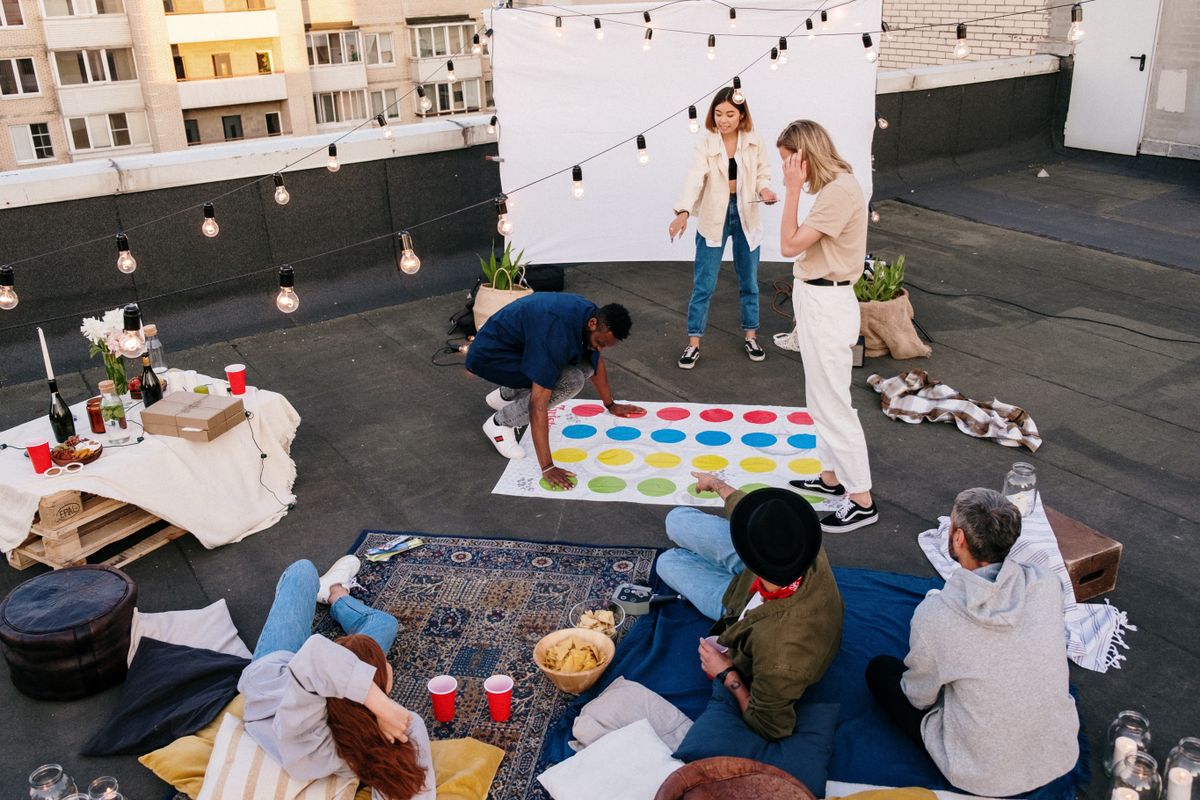
And honestly? You don’t need more hustle. You need more joy. So dance in your socks. Make-up dumb games. Learn how to juggle. Try stand-up comedy. Play fetch with your shadow. Challenge your best friend to an online pool game just because it’s Tuesday and you remembered you’re alive. The world is heavy. But you don’t have to be. Let play be your protest. Your healing.