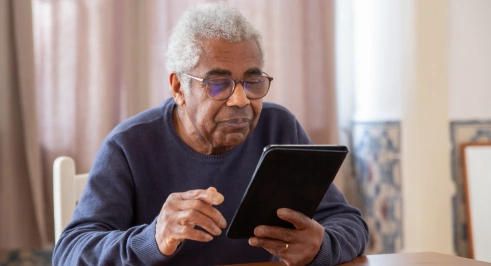
The thought of a family member living alone can be worrying, particularly when minor health problems may suddenly become more serious. Even a simple fall, unexpected weakness or inability to seek help can swiftly trigger a stressful event. Moreover, emergency rooms in most of Canada are also occupied, and this may at times lead to extended waiting times in cases that are not life-threatening.
Meanwhile, you might not always be near enough to react immediately when something occurs in your home. That gap between the incident and medical help can make everyday living feel uncertain.
This is where in-home medical alert systems can help. They not only connect your loved ones to emergency support at home in seconds, but also provide clear instructions when the help is most needed.
This article explains how these systems help Canadian healthcare while helping your loved one live independently and safely.
1. Reduce Pressure on Canada’s Healthcare System at Home

Hospitals and emergency rooms in Canada regularly treat a diverse set of cases, including those that may not necessarily be urgent. Many of these non-critical incidents can actually be managed without going to the hospital when people have support available at home. This is where in home medical alert for Canadians becomes valuable. It connects the senior to emergency assistance without needing to travel to a hospital or wait for assistance. Facilitating a more balanced utilization of health care resources nationwide.
Since assistance is provided in real time, there are fewer unnecessary ambulance calls in cases that can be addressed by guidance. This allows healthcare workers to focus more on serious and life-threatening cases. Consequently, emergency departments work more smoothly and with less stress, helping healthcare resources be used more efficiently.
Meanwhile, your loved one still gets prompt assistance when it is really required, thus it does not diminish your safety. Instead, care becomes more efficient because home support and hospital services work better together.
2. Enable Faster Emergency Response for Seniors Living Alone
Being alone can cause even minor accidents to feel like a big deal, particularly when senior adults are unable to grab a telephone in time. This is solved by in-home alert systems that allow the user to call for help with just one press. This eliminates the delays and makes sure that help is received immediately.
When the alarm is activated, trained personnel are directed to get in touch with them through built-in two-way communication feature. They stay on the line, understand the situation, and guide them through it step by step. During such times, the presence of calm instructions helps reduce panic as they wait for the arrival of emergency services. It also makes certain that their condition is well-communicated to responders.
Due to this rapid response, the emergency teams can respond more quickly and be more informed. This enhances safety and minimizes confusion in emergency cases. Overall, it makes the emergency response experience stronger and more reliable.
3. Support Safe Aging in Place in Canada

Many seniors in Canada prefer to stay in their own homes as they grow older. It offers a feeling of independence, familiarity and comfort. However, safety remains an important consideration when one lives alone or when dealing with health risks. In-home medical alerts assist in this decision by providing an extra level of security.
Your family member can go on with their daily life knowing that they can seek help whenever required. This balance between independence and safety is important for long-term well-being. It also assists in alleviating stress on you when you are not nearby. For many families, this reassurance is just as valuable as physical safety.
Having constant access to emergency support makes aging in place more viable and safer. It supports seniors across Canada who want to remain in their homes. This brings about a sense of security in day-to-day living without making it risky.
4. Improve Outcomes Between Home and Emergency Care
If a medical emergency occurs at home, the time until help arrives can be crucial. Even minor delays can impact a person’s recovery time. In-home alert systems help eliminate this gap by directly linking users to support.
Once an alert is activated, trained responders immediately evaluate the situation and give guidance. This ensures that help starts even before emergency teams arrive at the user’s home. It also provides better and more precise information to first responders.
This faster connection between home and medical care can improve outcomes. It reduces confusion and helps emergency teams respond more effectively. Overall, it builds a stronger link between the home and the healthcare system. 5.
Strengthen Care Networks for Families and Seniors

When a loved one is living alone, staying informed about their safety becomes very important. In-home alert systems help connect seniors, families, and monitoring teams into one support network. This means help is always coordinated when needed.
Even if you are not physically nearby, you can still be part of the response process. Families receive reassurance knowing that assistance is always available. This reduces worry and helps everyone stay prepared during emergencies. Communication becomes faster and more organized when it matters most.
Monitoring centres act as a central support point during emergencies. They guide the situation until help arrives on site. This strengthens overall safety for seniors and families across Canada.
Conclusion
In-home medical alert systems play an important role in supporting healthcare across Canada by making everyday safety more reliable. They reduce pressure on hospitals while ensuring help is always available at home when needed. This creates a more balanced and responsive healthcare experience.
They also connect families and emergency services in a faster and clearer way. For your family, this means greater confidence in living independently while still staying protected. In the end, these systems help make home living safer and support the wider healthcare system at the same time.