
When the weather turns cold and the leaves begin to fall, it’s the perfect time to explore the wonders of hibernation with young readers. Learning about how animals rest through the long winter’s nap is not only fascinating but also a great way to help little learners connect with nature.

Whether you’re snuggling up at home for bedtime or sharing stories in a classroom cozy corner, hibernation books for kids make a beautiful addition to your winter reading list. From classic favorites like Bear Snores On by Karma Wilson to new stories filled with beautiful illustrations and sweet rhyming text, there’s something here for every curious mind.
Facts About Hibernation for Kids
Hibernation is a deep sleep that helps animals survive the cold winter months when food is hard to find. During this time, their heartbeat slows down, their body temperature drops, and they use very little energy. It’s a clever way to stay safe and warm until spring arrives.
Not all animals hibernate in the same way, as some go into a full winter sleep, while others take shorter naps or simply rest more than usual. This long sleep is one of nature’s most amazing survival tricks and a wonderful way to show kids how wild creatures adapt to seasonal changes.

Animals That Hibernate
There are many different types of animals that hibernate, from small forest creatures to big mammals. Some of the most common animals that hibernate include:
- Bears, like the big bear and small bear characters often seen in children’s books
- Hedgehogs, who curl up tight in a cozy house of leaves
- Bats, which sleep upside down in caves or attics during cold weather
- Chipmunks and squirrels, who tuck away food and nap through the harsh winter months
- Turtles and frogs, which burrow into the mud at the bottom of ponds
- Snakes, who curl up together in dens to share warmth
- Groundhogs, famous for their long winter’s nap and springtime wake-up
Learning about these animals gives young children a gentle introduction to the idea that nature has different ways of coping with the changing seasons.
Preschool Books About Hibernation
Books are one of the best ways to teach children about hibernation in a fun, memorable way. Picture books with colorful illustrations and sweet stories bring this fascinating topic to life.
Many feature familiar animal friends preparing for winter, snuggling up in their dens, and waiting for the first signs of spring.
Below you’ll find a collection of hibernation-themed books perfect for young learners and preschool readers, including classics like Bear Snores On by Karma Wilson, Hibernation Station by Michelle Meadows, Old Bear by Jane Hissey, and The Snowy Nap by Jan Brett. Each one offers its own twist of perspective and gentle storytelling to show the wonders of winter and the secret world of animals.

Fiction Hibernation Books for Preschoolers
These stories are perfect for snuggling up with during the long winter months. Each one introduces the idea of hibernation in a gentle, imaginative way that helps children see the beauty of rest, rhythm, and nature’s changing seasons. They are a great way to learn about the hibernation theme with a younger audience while fuelling the imagination.
Storybooks about Hibernation for Preschoolers
Cozy animal stories and beautifully illustrated picture books that bring the magic of winter sleep to life for young readers. The below lists include affiliate links.

This classic picture book is a must-read for any winter storytime. A big bear settles in for his long sleep while all his animal friends come in to escape the cold. With its sweet rhyming text and beautiful illustrations, it’s a great way to introduce young readers to the idea of hibernation and friendship.

In this charming prequel to The Hat, Hedgie the hedgehog doesn’t want to miss out on winter fun. Jan Brett’s detailed illustrations and cozy story make this a delightful adventure that shows what animals experience during the snowy season.

All aboard! This fun rhyming story takes a train full of animals heading off to hibernate. It’s a great book for preschoolers, introducing a whole host of different animals as they get ready for their long winter’s nap.

This beautifully illustrated story follows a small hare and a young fox as they set out to discover what snow is before their first winter arrives. With a gentle tone and stunning artwork, it captures the wonders of winter perfectly for little learners.

A gentle story about an old bear dreaming through his winter sleep of all the colorful seasons he has known. It’s a simple, thoughtful read that helps young children understand the rhythm of nature and the cycle of seasons.

This nonfiction picture book combines factual information with poetic storytelling as a young girl learns what’s happening beneath the snow. It’s a great way to introduce the secret world of animals in winter and the different ways they survive the cold weather.

A gentle introduction to hibernation and seasonal changes, this story follows a young boy and his grandma exploring nature as animals prepare for winter sleep. The easy text and colorful pictures make it ideal for young children.

Another favorite from the same creators as Bear Snores On, this time Bear just can’t seem to fall asleep! His friends do their best to help, making it a fun book about patience, friendship, and the need for rest.

Mama Bear reminds Little Bear it’s time to prepare for the long winter’s nap, setting off a sweet chain of goodnights among the forest animals. The rhythmic text and bright illustrations make it a perfect bedtime story for preschoolers.
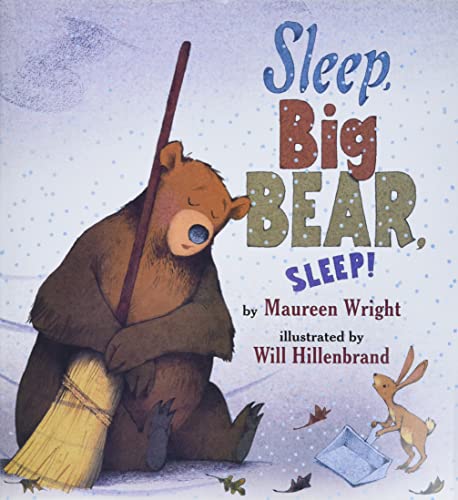
Old Man Winter calls out for Big Bear to sleep, but Bear mishears him each time! This funny, rhyming tale has a satisfying ending when Bear finally finds his cozy cave. It’s a fun book for even the most rambunctious kids, with a touch of humor and warmth.

While not strictly about hibernation, this one shares that same cozy winter bedtime feeling and works beautifully in a winter reading collection. It captures the quiet comfort of bedtime and the peace of a long rest, much like the animals’ deep sleep through winter.

With its lyrical text and soft watercolor art, this story follows how different animals prepare for the cold weather. It’s a gentle and poetic look at seasonal change and a lovely read-aloud for young audiences.
Nonfiction Hibernation Books for Kids
If your little learners are full of questions about where animals go in winter, these books offer simple explanations and real-life facts. Below are some of our favorite books on this topic. They’re a great way to spark curiosity and help kids understand the science behind hibernation in an age-appropriate way.
Non fiction books for kids to learn about hibernation during winter
Engaging factual reads that gently explain how animals survive the cold winter months — perfect for curious little scientists and classroom learning. The below lists include affiliate links.
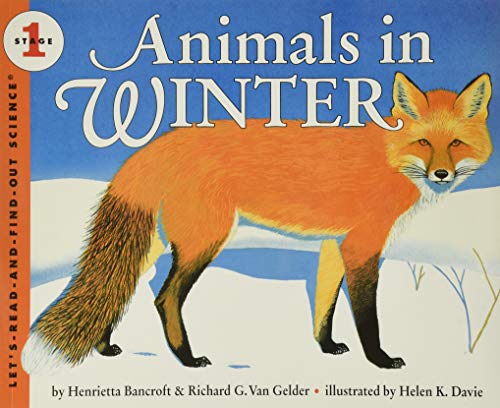
A timeless classic that gently teaches children how wild creatures prepare for the cold winter months—whether they hibernate, migrate, or adapt in other ways. The simple language makes it a great first nonfiction book for preschoolers.

An engaging nonfiction picture book from National Geographic’s early reader series, this title explains what happens when a black bear goes into hibernation. The photos are bright and realistic, offering a clear look at the long winter sleep in a way that’s easy for young learners to understand.

Part of the I Wonder Why series, this book answers common questions kids have about hibernation and cold-weather behavior in animals. It’s a great way to encourage curiosity and scientific thinking.

This factual book introduces kids to different animals that hibernate and explains why they do it. The clear photos and short sentences make it ideal for young readers beginning to explore nonfiction.

This nonfiction picture book uses lovely photography and a simple, friendly design to show young children how animals change in cold weather — from some changing fur colour to others preparing for winter sleep. It’s an ideal introduction for little learners curious about hibernation and nature’s seasonal wonder.
Exploring hibernation through stories is a great way to connect with your little ones during the colder months. It’s an excellent opportunity to talk about how animals live through the cold winter months and what happens when the snow melts and spring returns.
Whether you’re reading a nonfiction picture book filled with factual information or a sweet story about a sleepy bear and his friends, these hibernation books for kids make a perfect addition to your winter learning plans.
More Winter Animal Activities for Kids
If your kids loved learning about hibernation, there are so many fun activities to keep the curiosity going. Try a craft that shows animals in their cozy homes, explore the different ways animals stay warm, or create a pretend den using blankets and pillows. These hands-on ideas are a great way to bring the lessons from the books to life while keeping young students engaged indoors during the cold weather.
More Book Lists for Kids
Looking for more picture books and stories to add to your shelf? Check out our other book lists for young readers and preschoolers. We feature age-appropriate books on everything from seasonal changes to kindness, friendship, and the beauty of nature. There’s always something new to explore at your local library or favorite bookstore.
- 15 Reassuring Children’s Books about Starting School
- Best Books For Speech Therapy For Children
- 30 Best Ramadan Books for Kids
- 30 Best Chinese New Year Books for Kids
- 10 Gorgeous Diwali Books For Kids
If you enjoyed this post, please share it so more families and teachers can discover these delightful hibernation books. Your shares help us continue creating free, educational resources for young learners everywhere!

1 thought on “Dreamy Preschool Hibernation Books Kids Will Love This Winter”