
In the quiet corners of the countryside and along winding rural lanes, natural roofing materials like thatch, wood shingles, and bark shakes carry a certain poetic charm. They whisper stories of craft, heritage, and connection to nature. But owning a home with a natural roof isn’t just about aesthetics, it comes with a distinct set of responsibilities. Chief among them: fire safety.
When you choose a roof made from natural materials, you’re not only embracing tradition; you’re also navigating the complexities of preserving that beauty in a world where weather patterns are changing and fire risks are evolving. Let’s explore what it really takes to keep such homes safe without turning them into bunkers.

Via Pexels
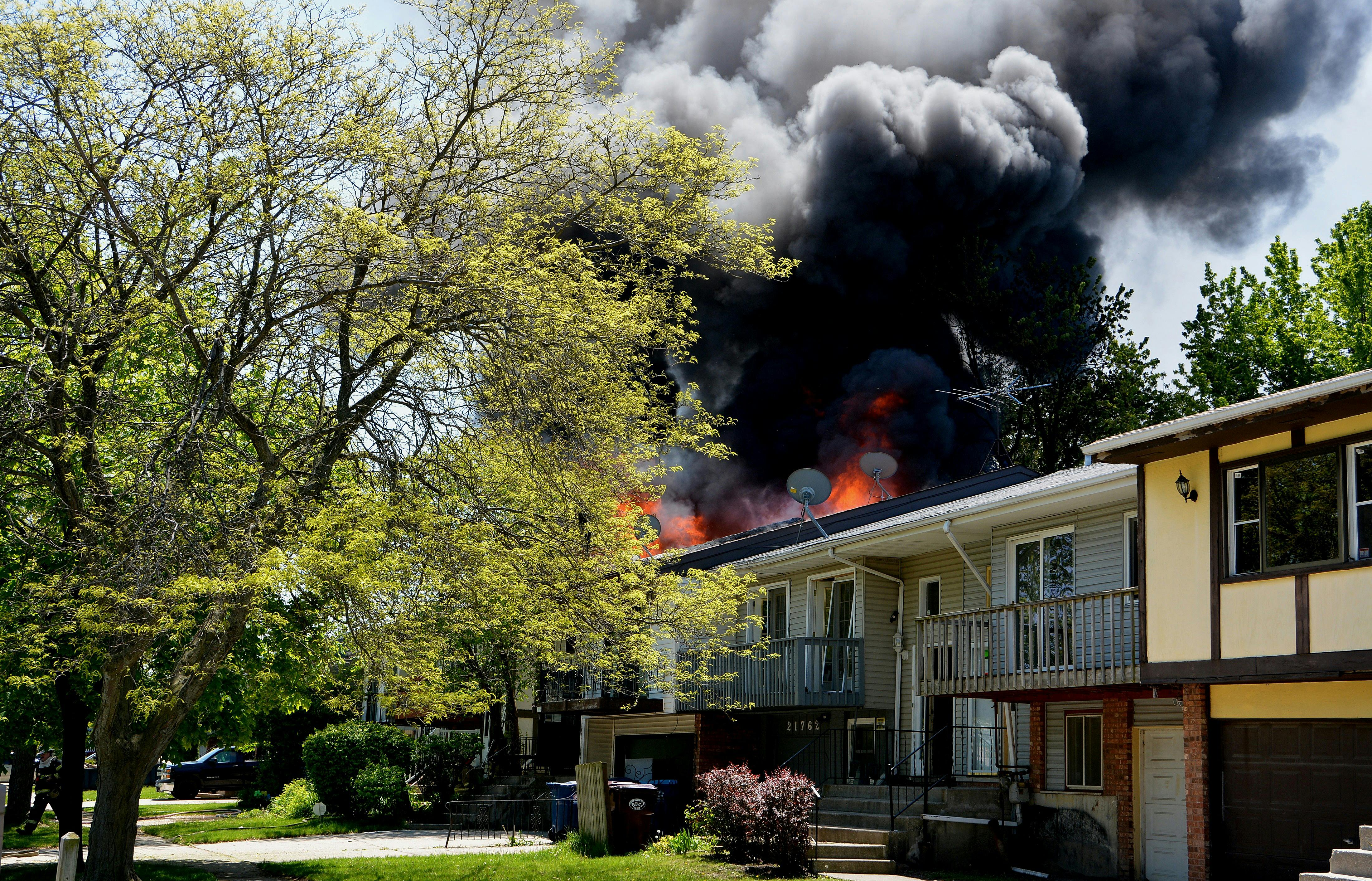
Ember Awareness: The Overlooked Threat
Most people think a fire hazard starts with a flame. But for homes with natural roofing, it’s often embers – the glowing seeds of distant fires – that pose the biggest threat. Blown on the wind from miles away, they can land on a dry thatched roof and smoulder unnoticed until it’s too late.
This is why ember protection isn’t optional. Installing ember-resistant barriers beneath the roofing layer and incorporating fine mesh wire guards at the ridge and eaves helps deny these tiny invaders the chance to ignite.
It’s Not Just the Roof
Fire safety for natural roofs starts with understanding that the threat is rarely isolated to just the roof itself. The surrounding environment plays a massive role. Tall grasses, overhanging branches, dry leaves in gutters, these seemingly benign elements can become ladders for fire to reach your roof.
Clearing vegetation within a buffer zone of at least 30 feet, pruning trees to keep branches from touching the structure, and regularly cleaning roof valleys and gutters are no longer just good habits – they’re essentials.
Breathing Room, Not Just Beauty
Many homeowners are drawn to natural materials because of their breathability and eco-friendly credentials. But breathability should not mean vulnerability. There’s a middle path, embracing modern fire-retardant treatments that preserve the aesthetic and ecological benefits of natural roofing while dramatically improving safety.
For example, roof thatching, (yes, there are still artisans who carry on this skilled trade) now use fire-retardant sprays that penetrate deep into the fibres of thatch without altering its appearance or texture. Used correctly, these treatments can significantly increase the ignition resistance of your roof.
Chimneys and the Forgotten Spark
An often-overlooked culprit in roof fires is the fireplace chimney. When was the last time yours was cleaned, inspected, or even noticed? In homes with thatched or shingled roofs, an unchecked chimney is not just a fire hazard, it’s a fire starter. Make annual inspections non-negotiable. Install spark arrestors and ensure the chimney liner is appropriate for the type of fuel you’re burning. It’s a simple measure that buys peace of mind.
Fire Isn’t a Season Anymore
There was a time when fire danger was seasonal, expected only in the hottest months. That time is gone. With drier winters and longer summers, fire risk has stretched year-round. Treat your fire safety strategy as a year-long commitment. That means consistent checks, scheduled maintenance, and evolving your protection plan as needed.
A Personal Note: It’s About Time
A friend of mine lives in an old timber cottage with a cedar shake roof. Last year, a brush fire came within 200 meters of her home. It was the fire break she’d maintained, the fire-retardant treatment she’d reluctantly paid for three summers earlier, and the ember-resistant mesh installed by a cautious contractor that saved it.
There’s a lesson there. Owning a home with a natural roof is not just a statement of style, it’s a pact with the elements. And like any relationship, it thrives on attention, preparation, and respect for what can go wrong.
Let charm and safety coexist. Because a beautiful roof deserves more than admiration—it deserves protection.